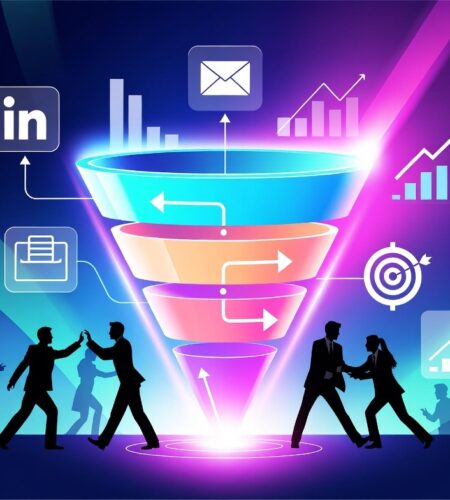
In the fast-paced world of business-to-business sales, staying ahead requires innovative approaches that resonate with decision-makers. As we navigate 2025, B2B marketing strategies are evolving to prioritize personalization, data-driven insights, and seamless digital experiences. This article explores the 10 best B2B marketing strategies that can transform your outreach, boost lead generation, and drive sustainable revenue growth. Whether you’re a SaaS provider or a manufacturing firm, these tactics are designed to help you connect authentically with buyers who demand value and relevance.
Why B2B Marketing Strategies Matter More Than Ever in 2026
The B2B landscape in 2025 is marked by longer sales cycles, sophisticated buying committees, and a surge in digital self-service platforms. According to recent industry insights, over half of large B2B deals exceeding $1 million will occur through multiple digital channels, underscoring the need for adaptive B2B marketing strategies. Traditional methods like cold emails are giving way to hyper-targeted, AI-enhanced tactics that build trust and accelerate conversions. By focusing on buyer intent and multi-channel engagement, companies can reduce acquisition costs by up to 30% while improving customer retention.
Moreover, with privacy regulations tightening and AI tools becoming ubiquitous, ethical data use is non-negotiable. Successful B2B marketing strategies now integrate sustainability, inclusivity, and measurable ROI to align with corporate goals. Let’s dive into the top 10 strategies that top performers are adopting this year.
1. AI-Driven Hyper-Personalization
At the core of modern B2B marketing strategies is AI-powered personalization, which tailors content and outreach to individual preferences in real time. In 2026, AI analyzes vast datasets to predict buyer behavior, delivering customized emails, recommendations, and landing pages that feel bespoke.
For instance, tools like generative AI can create personalized sales documents, boosting engagement by 25%. Start by mapping buyer personas and integrating AI platforms for predictive analytics. This not only shortens sales cycles but also fosters loyalty key in an era where 86% of buyers prioritize transparent pricing and relevance early in the process. The result? Higher open rates and conversions that outpace generic campaigns.
2. Video Content Dominance
Video has exploded as a cornerstone of B2B marketing strategies, projected to comprise 82% of internet traffic by 2026. Short-form explainer videos, webinars, and product demos condense complex ideas into engaging narratives that hold attention spans better than text alone.
B2B marketers report video as the most effective content type, with easy sharing across LinkedIn, email, and websites amplifying reach. To implement, focus on user-generated testimonials or animated case studies. Embed videos in nurture sequences to nurture leads, increasing click-through rates by embedding them directly in emails. This strategy turns passive viewers into active prospects.
Tips for Video Success
- Keep videos under 90 seconds for social platforms.
- Use subtitles for accessibility and silent viewing.
- Track metrics like watch time to refine future content.
3. Account-Based Marketing (ABM) 2.0
Account-Based Marketing evolves in 2025 with sophisticated platforms that target high-value accounts through orchestrated, multi-touch campaigns. Unlike broad spraying, ABM focuses on key decision-makers within target organizations, using intent data to personalize journeys.
This approach can yield 208% more revenue from engaged accounts compared to traditional methods. Integrate CRM data with ABM tools to automate outreach, from LinkedIn ads to custom events. For mid-market growth, prioritize C-suite personas with tailored messaging on ROI and scalability.
4. Content Marketing with Topic Clusters
Content remains king, but in 2026, B2B marketing strategies emphasize topic clusters interconnected pillars of content around core themes to build authority and improve SEO. This web of blogs, guides, and videos signals expertise to search engines and buyers alike.
Top performers create repurposable assets, like turning a pillar page into podcast episodes or infographics. With 87% of B2B marketers using content for brand awareness, focus on mid-funnel topics that address pain points. Measure success via organic traffic and backlinks.
Building Effective Clusters
| Step | Action | Benefit |
| 1 | Identify core topics via keyword research | Aligns with buyer intent |
| 2 | Create pillar content (e.g., eBook) | Establishes thought leadership |
| 3 | Develop cluster pieces (blogs, videos) | Boosts SEO and engagement |
| 4 | Link internally and promote | Increases dwell time and conversions |
5. Influencer and Affiliate Partnerships
Influencer marketing in B2B is no longer niche 94% of marketers see its vital role, yet only 24% fully invest. Partner with industry experts for authentic endorsements, while affiliate programs reward partners for referrals.
In 2026, collaborate with niche influencers on LinkedIn for co-created webinars or reviews. This builds credibility and expands reach, with commissions driving mutual growth. Ethical link-building through affiliates also enhances SEO without risking penalties.
6. Experiential and Live Events
Post-pandemic, experiential marketing rebounds as buyers crave human connections. In 2026, hybrid events virtual trade shows blended with in-person networking become central to B2B marketing strategies. Host interactive demos or roundtables to showcase solutions.
These events humanize your brand, with 64% of B2B buyers influenced by peer experiences. Follow up with personalized recaps to nurture leads.
7. Social Selling on LinkedIn
LinkedIn dominates social for B2B, where social selling builds relationships through value-driven posts and DMs. In 2026, employee advocacy amplifies this empower teams to share insights, boosting reach by 5x.
Strategies include joining groups, commenting thoughtfully, and using polls for engagement. Track interactions to identify warm leads, turning social into a revenue channel.
Optimizing LinkedIn Profiles
- Optimize bios with keywords like “B2B growth expert.”
- Post weekly with visuals for 2x engagement.
- Use Sales Navigator for targeted outreach.
8. Data-Driven Decision Making
Robust data management underpins all B2B marketing strategies in 2026, amid privacy concerns and AI reliance. Use analytics for predictive insights, ensuring GDPR compliance while personalizing at scale.
Tools like Google Analytics 4 help measure channel ROI, with top teams growing budgets by focusing on first-party data. Avoid tactics without metrics base decisions on what drives results.
9. SEO and Answer Engine Optimization (AEO)
Traditional SEO evolves into AEO, optimizing for AI search like Gemini by providing concise, authoritative answers. Structure content with FAQs and schema markup to rank in zero-click results.
Combine with voice search trends for long-tail queries, ensuring your site appears in conversational contexts.
10. Sustainability and Employer Branding Integration
Sustainability weaves into B2B marketing strategies, appealing to eco-conscious buyers. Highlight green practices in content, while strong employer branding attracts talent and signals reliability.
In 2026, 58% of marketers integrate ESG into campaigns, correlating with higher loyalty. Share behind-the-scenes stories to humanize your brand.
Implementing These Strategies for Maximum Impact
To succeed, audit your current funnel and pilot 2-3 strategies quarterly. Align sales and marketing for unified messaging, and invest in training for AI tools. Track KPIs like MQL-to-SQL conversion rates to iterate.
In conclusion, the best B2B marketing strategies in 2025 blend technology with empathy, creating experiences that resonate. By adopting these, you’ll not only meet but exceed buyer expectations, positioning your business for long-term dominance.
Subscribe to our email newsletter to get the latest posts delivered right to your email.
Comments